
Published on October 2, 2026
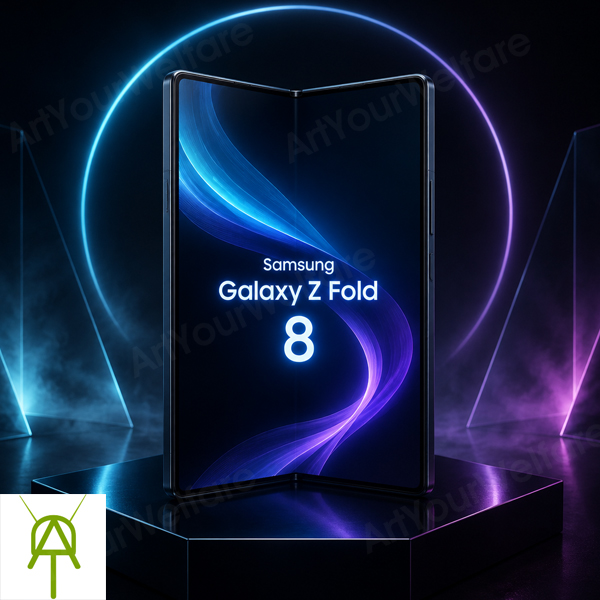
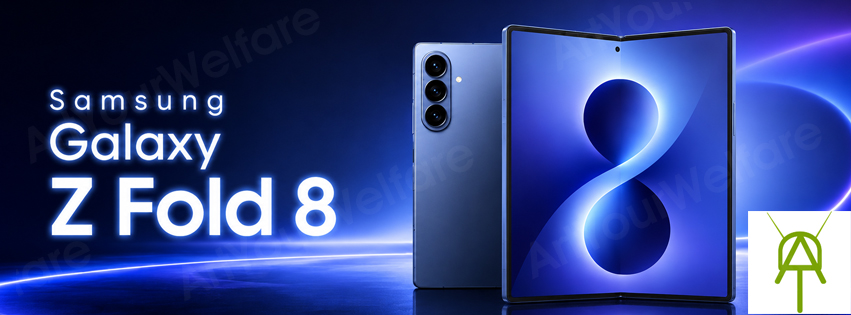
The Galaxy Z Fold 8 review conversation has taken over premium phone talk lately, and it’s not hard to see why. Sure, every flagship now has a great camera, a fast chip, some AI buzzword slapped on the box. Samsung’s doing something else.
Each generation, the hinge gets tougher, the screen gets better, multitasking gets less clunky. And now, with Apple gearing up to launch the iPhone 18, a lot of people are genuinely asking: is a normal smartphone even the smart choice anymore? This review digs into what’s actually new with the Fold 8, how it stacks up against Apple’s next flagship, and whether the price tag is worth it if you’re the kind of person who does real work on your phone.
Specs
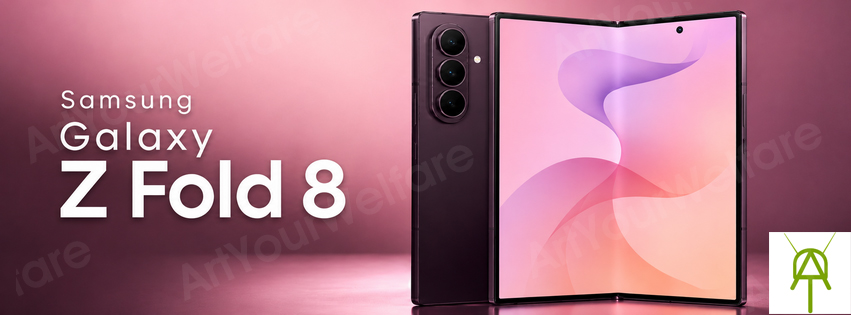
Pair that with the flagship chip, plenty of RAM, fast storage, and a cooling system built to actually handle the load, and you’ve got a device meant for real multitasking, not just looking impressive in a spec sheet. The AMOLED panel is brighter, scrolls smoother, holds up better outdoors. AI features are baked in to cut down on repetitive tasks. And multitasking’s been reworked too — running several apps side by side, dragging files between windows, jumping from work mode to entertainment without losing your place. This isn’t just a faster phone. It’s Samsung trying to nail the whole experience, for professionals and students and creators alike.
Price
The Galaxy Z Fold 8 price is going to land squarely in ultra-premium territory — no surprise there. But the Fold line has never really been “just another flagship.” You’re paying for the hinge engineering, the dual-display tech, years of software work that went into making foldables actually usable. If you’re mostly scrolling Instagram and taking the occasional call, yeah, this price is hard to justify. But if you’re editing docs, sitting through video calls, reviewing presentations, reading research papers — the bigger screen starts making a real case for itself. Don’t just look at the number on the price tag. Look at what you’d actually be doing with the extra real estate.
Fold 8 vs iPhone 18
The Galaxy Z Fold 8 vs iPhone 18 debate really comes down to two totally different bets. Apple keeps sharpening the same formula — performance, polish, ecosystem lock-in, camera refinement. Samsung’s swinging in a different direction entirely, betting that people want a phone that can also just… become a tablet. The bigger inner screen genuinely helps with side-by-side document comparisons, note-taking during meetings, editing slides while a video call runs in another window. Samsung DeX, proper split-screen, flexible app layouts — none of that really exists in Apple’s world. If you’re already deep in Apple’s ecosystem and just want familiarity, iPhone 18 will do exactly what you expect. Nothing wrong with that either.
Foldables Are Finally Not a Gimmick
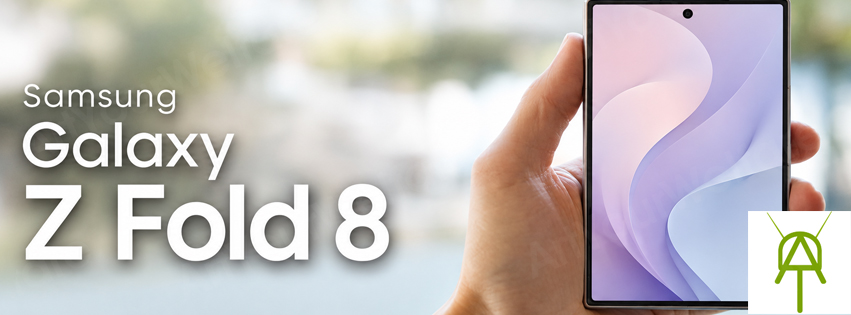
Durability was shaky. They were thick, battery life wasn’t great, software barely knew what to do with the extra screen. The Fold series isn’t a novelty for early adopters anymore — it’s a device that fits into an actual workday. Reading long articles, going through spreadsheets, editing photos, sitting in on online classes, watching a movie on a flight — the bigger screen keeps proving useful in ways people don’t expect until they’ve used it. For a lot of professionals, this single device might genuinely replace carrying both a phone and a tablet.
The AI Angle
AI’s everywhere in flagship phones now, and Samsung keeps expanding Galaxy AI across the lineup. To be fair, it’s not just a marketing checkbox here — note summarization, live translation, photo editing help, transcription, smart writing suggestions, contextual search, all of it aimed at cutting down busywork. As AI tools keep getting more useful, having the extra screen space to actually take advantage of them might end up being the Fold’s biggest long-term edge.
Pros and Cons
No premium phone is perfect, and the Fold 8 isn’t either.
Pros:
- Big foldable display, genuinely useful for both work and entertainment
- Strong multitasking with multiple app windows running at once
- Solid build quality, refined hinge
- Samsung DeX gives you something close to a desktop experience
- Powerful performance backed by real AI features
- Long software support, regular security updates
Cons:
- Expensive — out of reach for a lot of budgets
- Heavier than a normal phone
- Foldable screens still need more careful handling than standard glass
- Some apps still haven’t caught up to foldable layouts properly
Should You Actually Upgrade?
This Galaxy Z Fold 8 review shows that the answer depends entirely on what you do with your phone day to day. If your routine is emails, document editing, video calls, note-taking, juggling multiple apps — the Fold 8 is a real upgrade, not just a bigger price tag. If you’re mostly on social media, snapping the odd photo, streaming videos — you probably won’t get your money’s worth out of what makes this phone special. Actually think about whether the extra screen fits how you work.
Bottom Line
To wrap up this Galaxy Z Fold 8 review it is clear that the iPhone 18 is going to sell fine. Polished software strong hardware and the whole Apple ecosystem. Pulling people in like it always does Samsung clearly not interested in just keeping pace. The Galaxy Z Fold 8 makes a real case that phones are slowly turning into genuine productivity tools. Capable of doing a tablet’s job for a lot of everyday tasks price will scare off casual buyers, sure.
Maybe the next era of flagship phones won’t be decided by who’s got the fastest chip or the sharpest camera. Maybe it’ll come down to who builds the most genuinely useful experience.